9:00
Welcome
We open the event with a short introduction to the topic and the objectives of the day.

This symposium groups scientific lectures and panel discussions around humanitarian medicine in Gaza.
The direct and indirect impacts of the systematic destruction of the medical infrastructure on the health of the civilian population and medical work on site are to be highlighted, and global as well as local action strategies are to be developed.
Adequate crisis response is highly complex and multidisciplinary. To do justice to this, our event should inform in a particularly interdisciplinary way and place the interdisciplinary exchange at the center.
Doctors who have provided humanitarian aid in Gaza will have their say, as will experts in global health, international lawyers and civil society actors.
The event is primarily aimed at people from the medical and humanitarian field. In the spirit of networking and professional exchange, people without a medical background are explicitly invited to participate.
Click here to register for the
‘Symposium on Humanitarian Medicine – Focus on Gaza’
Please follow the instructions in the email you will receive after registering.
As places are limited, we recommend registering early.
If you have any questions or need help with registration, please email info@medsolidar.org.
We open the event with a short introduction to the topic and the objectives of the day.
An international law based analysis of he actions and policies that have esulted in the decimation of healthcare n Gaza
One million children in Gaza are severly traumatized after more than two years of death and destruction. The talk will show how these traumas present in children, give insight into how to support them and reflect upon how to help the children regain their childhoods.
This talk explores how the Palestinian healthcare system has long operated as an interconnected network spanning Gaza, the West Bank, East Jerusalem, enabling patients—especially those needing specialized care such as oncology, pediatric hematology, and complex surgeries—to access treatment through established referral pathways. Since October 2023, however, Israel has halted patient access from Gaza to the West Bank and East Jerusalem, severely disrupting this system and leaving many without life-saving care. While limited medical evacuations abroad have occurred, they fall far short of the overwhelming need and raise critical concerns about forcing patients to leave their own healthcare system to receive treatment. The talk highlights the urgent necessity of reopening the Gaza–West Bank Medical Corridor, both to address immediate health crises and to restore the integrity of the Palestinian healthcare network, while also examining ongoing legal efforts—including a petition before Israel’s Supreme Court—within the broader context of the devastation of Gaza’s healthcare infrastructure.
The speech gives insights into the situation around medical evacuations from Gaza. The challenges, limitations, hurdles
A first-hand account of a mission in a resource-limited war zone, with practical, actionable alternatives.
The scale of German arms deliveries to Israel, legal action taken against them, and previous court proceedings
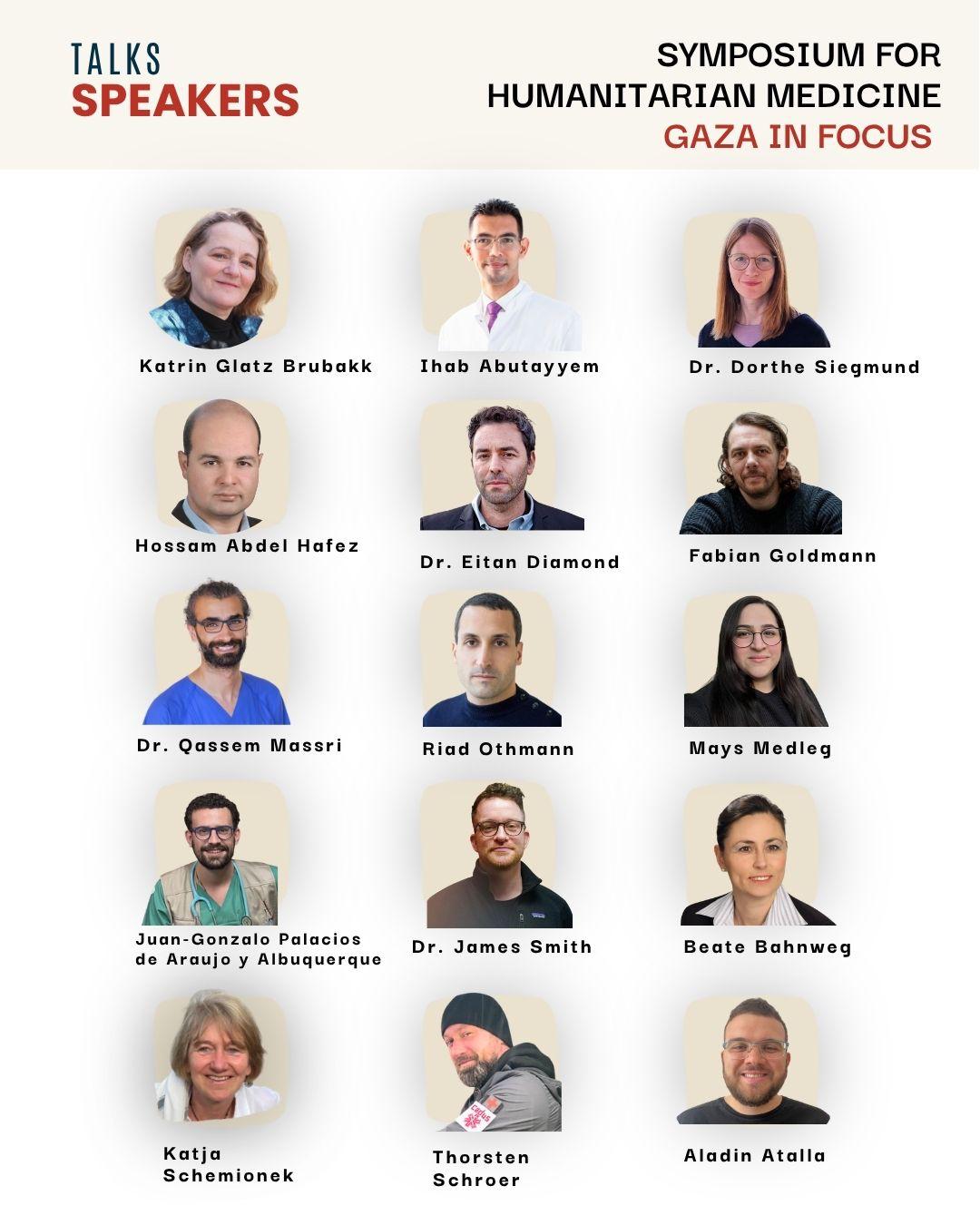
Dorthe Siegmund, Thorsten Schroer, Qassem Massri, Riad Othman, Beate Bahnweg
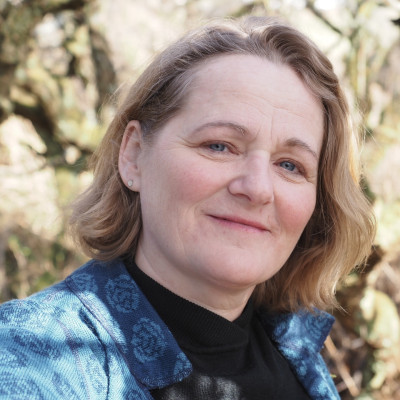
Katrin Glatz Brubakk is a Norwegian child psychotherapist who specializes in trauma. She is also an author and a recognized speaker on the effects of war and trauma on child development. She has extensive experience working in unstable and war-torn contexts with Doctors Without Borders.
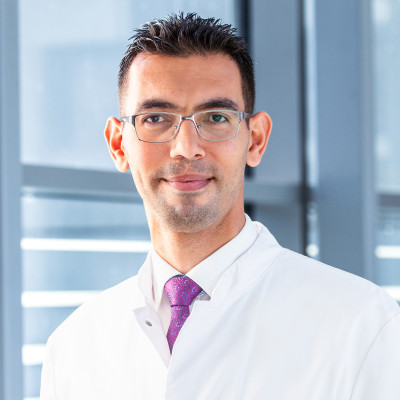
Ihab Abutayyem, born in Gaza, is studying at RUB. He is a board-certified specialist in anesthesiology with subspecialties in pain management, emergency medicine, and critical care medicine. In 2023, he worked in regional anesthesia at Alshifaa Hospital in Gaza for 4 weeks; in 2024, he worked for 2 weeks in the operating room and emergency department at the European Hospital.
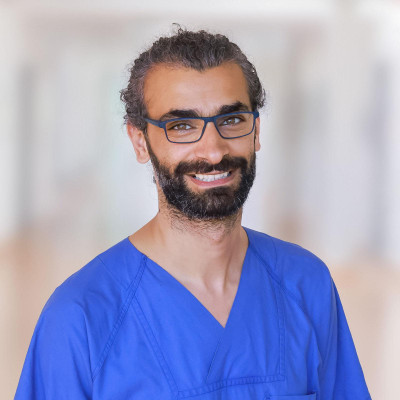
Senior physician at the Department of Pediatrics and Adolescent Medicine; board-certified specialist in pediatrics with a focus on neonatology.
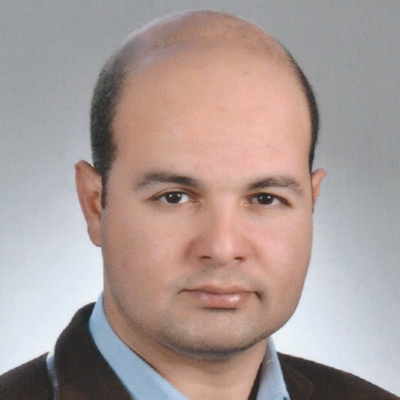
Hossam Abdul Hafez is Senior Consultant in Trauma Surgery and Head of Hand Surgery at Osnabrück Hospital, as well as a specialist in orthopaedics and trauma surgery with additional qualifications in special trauma surgery, special orthopaedic surgery, hand surgery and manual therapy. He also holds the international qualifications EBOT, EBHS and EBSQ, as well as an MHBA.
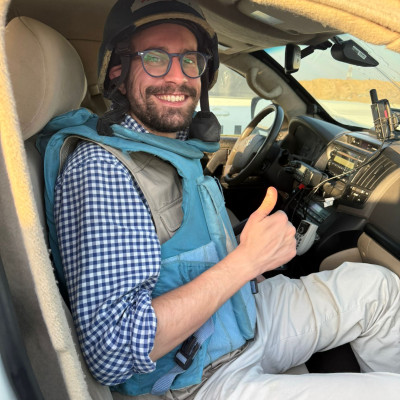
Juan-Gonzalo Palacios de Araujo y Albuquerque ist Assistenzarzt in der Anästhesiologie und arbeitet seit fast fünf Jahren in diesem Fachgebiet. Er wurde in Madrid geboren und studierte Medizin in Zaragoza, Spanien. Derzeit ist er an der Charité – Universitätsmedizin Berlin tätig und promoviert am Universitätsklinikum Augsburg.
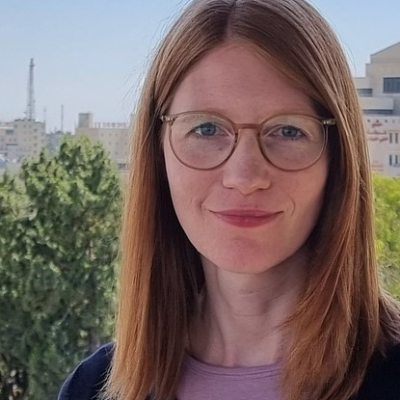
Dr. Dorthe Siegmund is a peace and conflict researcher and an associate researcher at the University of the Federal Armed Forces in Munich. As a consultant, she focuses on German and European Middle East policy from the perspective of human rights and international law. From 2021 to 2024, she headed the Heinrich Böll Foundation’s office for Palestine and Jordan, based in Ramallah. In January 2026, her book "Local Peace Initiatives in the Tension Between Global Culture and Conflict Context" was published ...
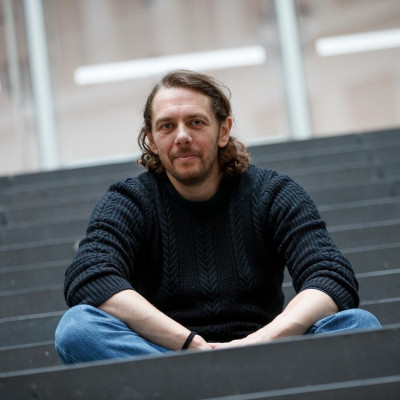
Fabian Goldmann is a journalist, author, and scholar of Islamic studies. For many years, he reported from the Middle East for various magazines and newspapers. He also works on issues of stereotypical and discriminatory media coverage of migration, Islam, and the Middle East, and runs a blog and podcast on racism in the media. His latest book, Staatsräsonfunk: Deutsche Medien und der Genozid in Gaza, was published in 2026.
Freundeskreis Palästinensischer Familien Marburg
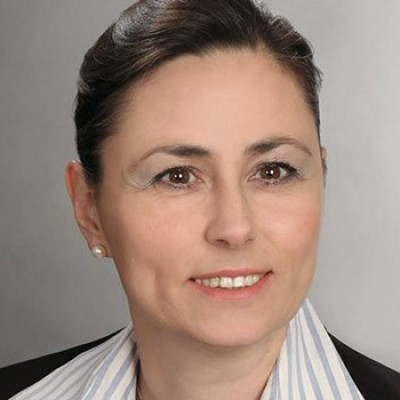
Beate Bahnweg studied law at Humboldt University of Berlin and has been working as a self-employed lawyer in Berlin since 2007. Since 2023, she has been volunteering in support of global human rights and international law. Since February 2024, she has also been involved as legal counsel in numerous cases against the Federal Republic of Germany, aiming to halt arms exports to Israel.
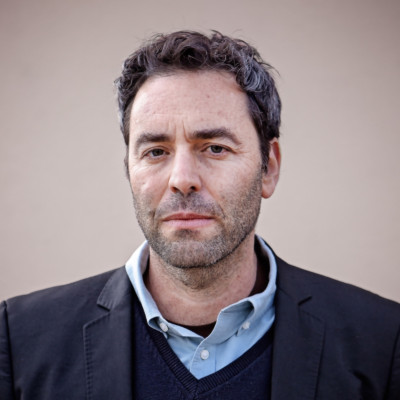
Eitan Diamond is an international lawyer who oversees the work of the IHL Centre on the Israeli-Palestinian context. He previously held managerial and legal positions at the ICRC, UNICEF, and the Israeli NGOs Gisha and B’Tselem. Eitan serves on the Board of Directors of Gisha, the Public Committee against Torture in Israel, and Parents against Child Detention, and on the Editorial Board of the Journal of International Humanitarian Legal Studies. He holds an LL.B. from the Hebrew University, an LL.M. from the LSE, a Diploma in Human Rights from the European University Institute, and a Ph.D. from Tel Aviv University.
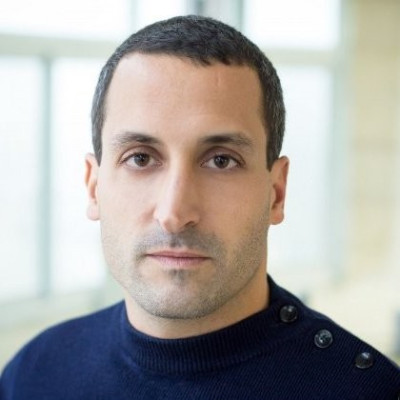
Nah-Ost Referent medico international
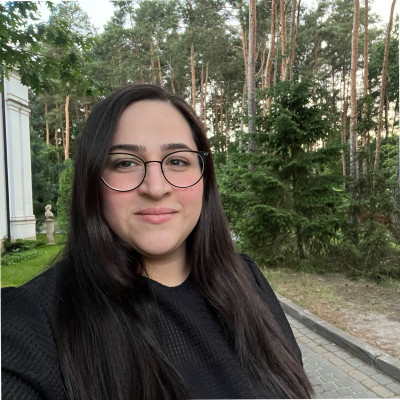
Mays Medleg, Head of International Advocacy, Physicians for Human Rights Israel (PHRI): Mays leads PHRI’s international advocacy work and has extensive experience with human rights organizations addressing issues affecting Palestinian society. Her work focuses on the right to health in situations of conflict and occupation, policy analysis, conflict resolution, and international advocacy related to the Israeli-Palestinian context.
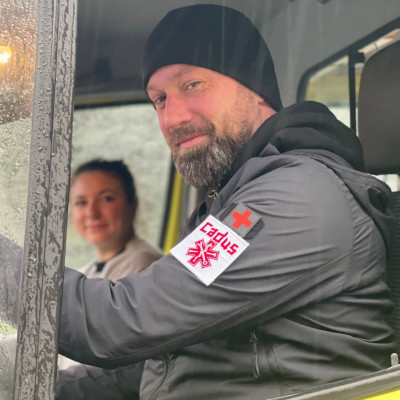
He is a trained paramedic and has been working full-time with CADUS for four years. He is involved in CADUS’ MedEvac program in Ukraine and Gaza and has served as Head of Mission in both contexts. Currently, he is responsible at HQ for coordinating CADUS deployments, including those in Gaza.
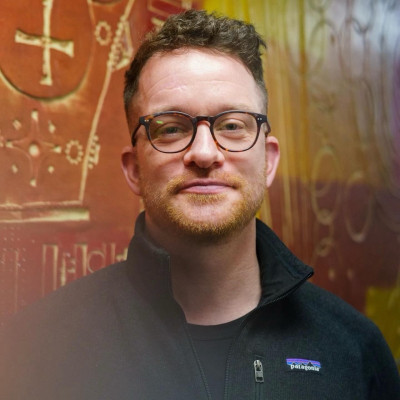
Dr. James Smith ist ein britischer Notfallmediziner und Experte in Globaler Gesundheit und Entwicklung, Medizinische Anthropologie und Internationale Humanitäre Angelegenheiten. Er arbeite als wissenschaftlicher Mitarbeiter im Health in Humanitarian Crises Centre an der London School of Hygiene & Tropical Medicine (LSHTM) und ist Mitglied des Johns Hopkins Center for Humanitarian Health. James hat in verschiedenen Positionen bei MSF (Ärzte ohne Grenzen) gearbeitet und unterstützte auch Forschungen der MSF Access Campaign und war mehrere Mal in Gaza im Einsatz. Seine Interessensgebiete umfassen humanitäre Ethik, evidenzbasierte humanitäre Reaktion, die Schnittstelle zwischen Migration und humanitärer Aktion, Polizeigewalt und staatliche Gewalt sowie Aspekte der globalen Gesundheitspolitik.